Category Archives: the dance

order/chaos

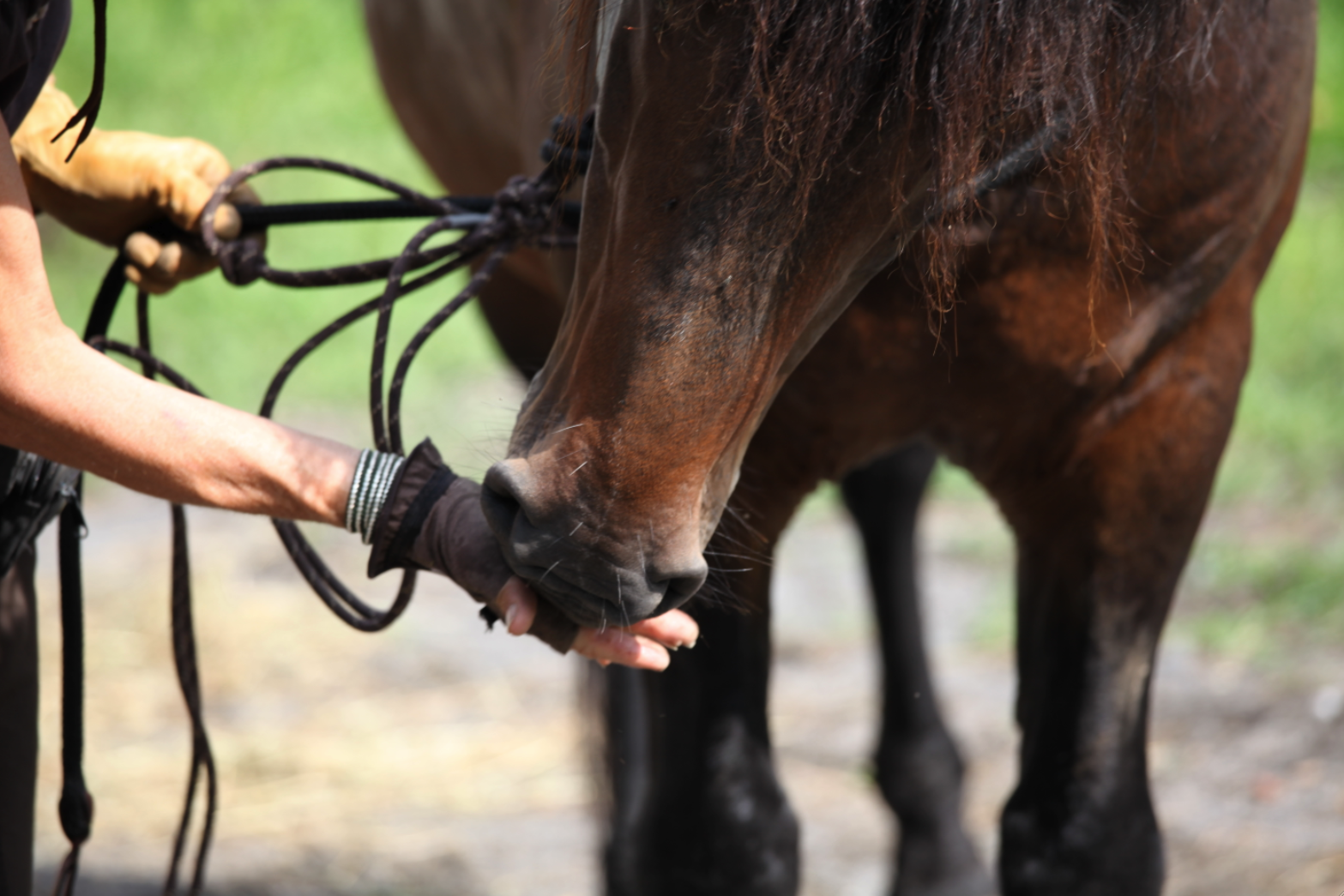
photo:  Pam White

Today I am interested in the intersection between order and chaos,  and in the way one spills into the other.  With horses and children we do not want chaos.  We want things to be ordered, for safety – theirs and ours.  When things tip into chaos, suddenly we are falling forward, trying to stay one step ahead of disaster. We make plans about how to keep chaos at bay, how to protect ourselves from its ravages.

Several years I ago moved my horse Deo to a new farm.  I took him for a walk, wanting him to see the new place.  I could feel him sparking and getting very fired up and “on the muscle” at the end of my lead rope.  I could feel chaos blooming at the other end of a short rope.  Suddenly he startled, spun and kicked out – leg fully extending for maximum impact, his steel shoe catching me on the thigh.  I went down, still holding the rope.  Somehow I stood up and staggered into the barn, where someone took him and I collapsed.  Miraculously, nothing broken, but a big horseshoe shaped bruise and a softball sized swelling laid me up for days.

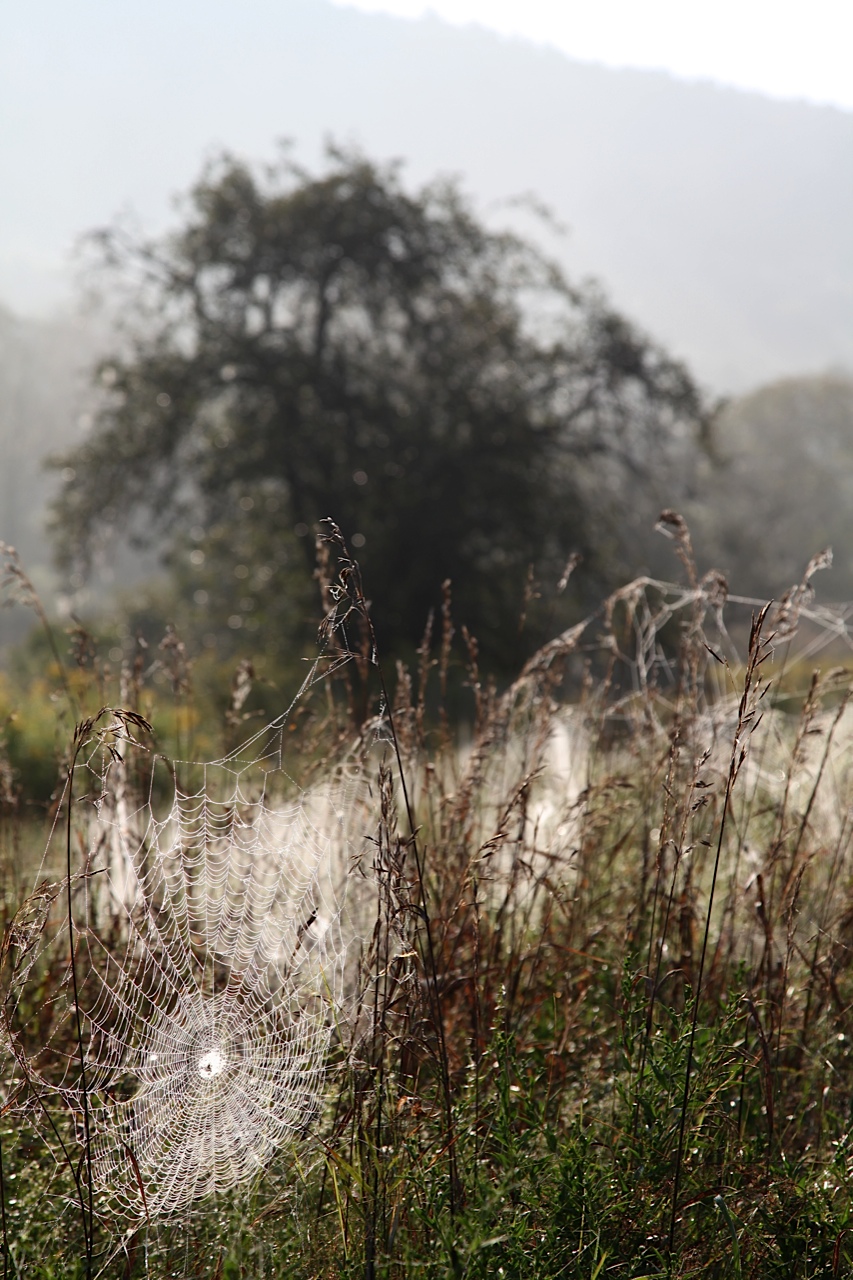
That was lightening bolt chaos – sudden, unexpected, disastrous.  Another chaos is like the tattered webs, an order falling into chaos – gradual disintegration, a loosening of the form.

How do you experience chaos in your day?  How do you dance with it?


SHARE & EMAIL

tether two: some thoughts on restraint

It seems that most of our conversations with horses are mediated by some form of restraint:  halter, lead line, bridle, side reins, longue line, martingale, etc.  Tethering is part of the human-horse thing.

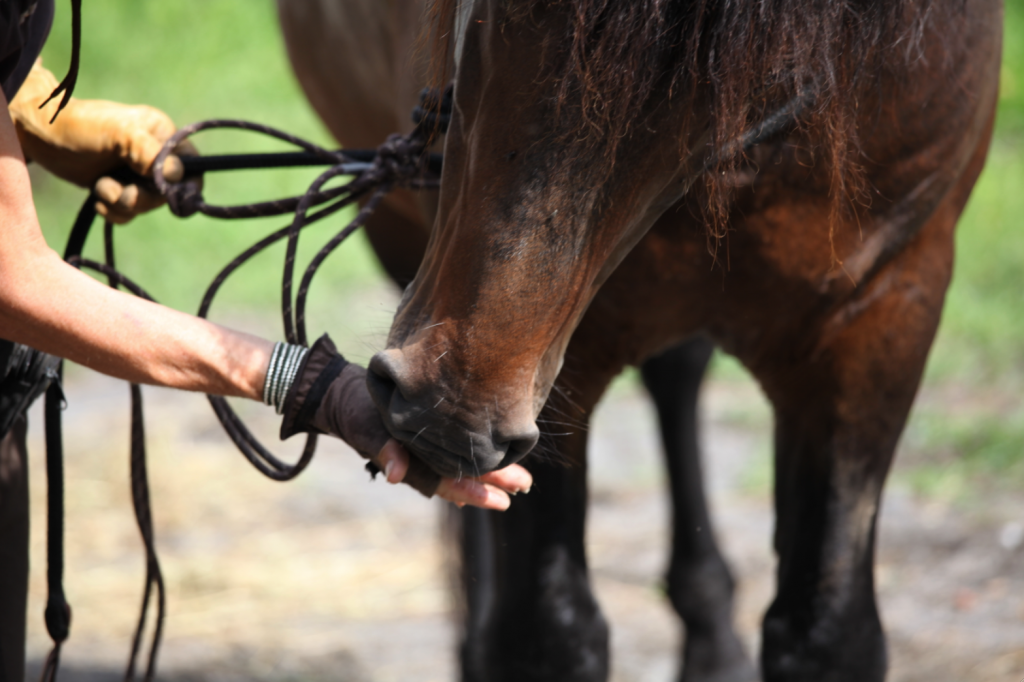
In this picture, I am introducing the rope halter to Nelson.  He has seen it before.  Bu like many things horse, just because we did it last week does not mean that he is fine with it today.  So we go through a chunking down process, breaking putting the halter on into lots of little steps, so that the whole process becomes digestible.  What happens after this picture is that I rub the halter all over his body, come to the other (more scary) side of his body and do the same thing there.  I put the rope over his neck and ask him to walk with me with just the rope.  He thinks that is fine.  After a bit, he will calmly let me put the halter on and even consent to being led.  But not to being led on his left side, and not to walking into the stall with the halter on.  He will however, walk in and out of the stall with nothing on his head as many times as I ask just as nice as you please.  It is something about the restraint that he does not trust.  In the horse world, restraint has a nasty history.  I am more interested in the Buddhist concept of restraint, which has to do with managing one’s reactions.

To build trust and to expand our vocabulary, everything that I do with Nelson with his halter on, I also do with his halter off.  This includes picking up his feet, leading, grooming, moving around his whole body in both directions.  Three months ago, none of this was possible.  Nelson was wild – skittish, distrustful.  Bit by bit, we are dissolving some of that wildness, introducing a practice of restraint of body and mind.  The reason to do things without the halter is is that I want some parts of my conversations with him to be unimpeded by ropes and tack.   Untethered.  Eventually,  I want him to be ok whether he has the halter on or not.  No big deal.  So that when he has a halter on he doesn’t panic or refuse something that is actually quite reasonable, like coming into the stall.

To do all of this requires restraint on my part. I have to keep myself in check, staying calm and smooth in my requests, and make my body language comprehensible to him.  He has to be able to read me.  That means me finding his rhythm, so that we can sync up and work together.

The real thing is this:  I am tethered to Nelson by love.  He can feel that.  When I get it wrong, move too quickly, that bond is what lets us settle fast and get our groove back.  It’s not sappy or romantic.  It is an undercurrent that I imagine is like the subsonic rumblings of elephants – something that can be felt through the herd.
Falling, the edge

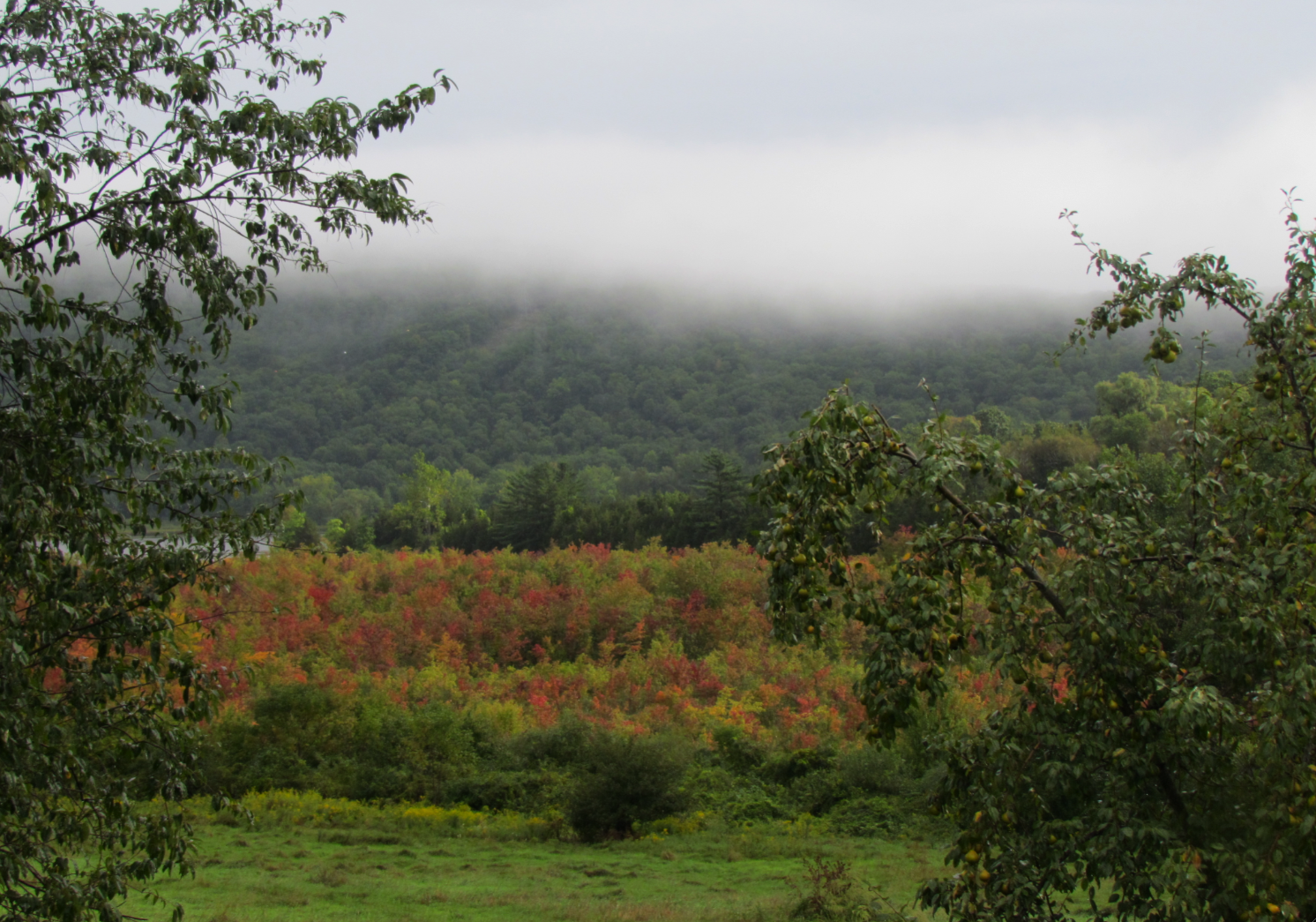
This morning as I sipped my coffee, a bank of fog came tumbling over the crest of Indian Mountain.  A light wind tattered the edge, and then the fog thickened again.  It was as if the clouds and the wind were playing, conversing.  Below, the swamp maples are dressed for fall.

Today I am interested in the edges of things.  The edge of my cup as the sun carves an arc of light onto its surface.  The warm edges of my body meeting the coolness of the air.  The way we experience one moment (sipping coffee) falling, edging into the next (taking out the trash).  The way summer is falling.

Just now, as you are sitting, what edges are you aware of?  Can you let that feeling become clearer?  And then can you soften that edge, so that your body and whatever you are touching dissolve into each other – like the fog and the wind in the picture?


fly: the whole, the parts

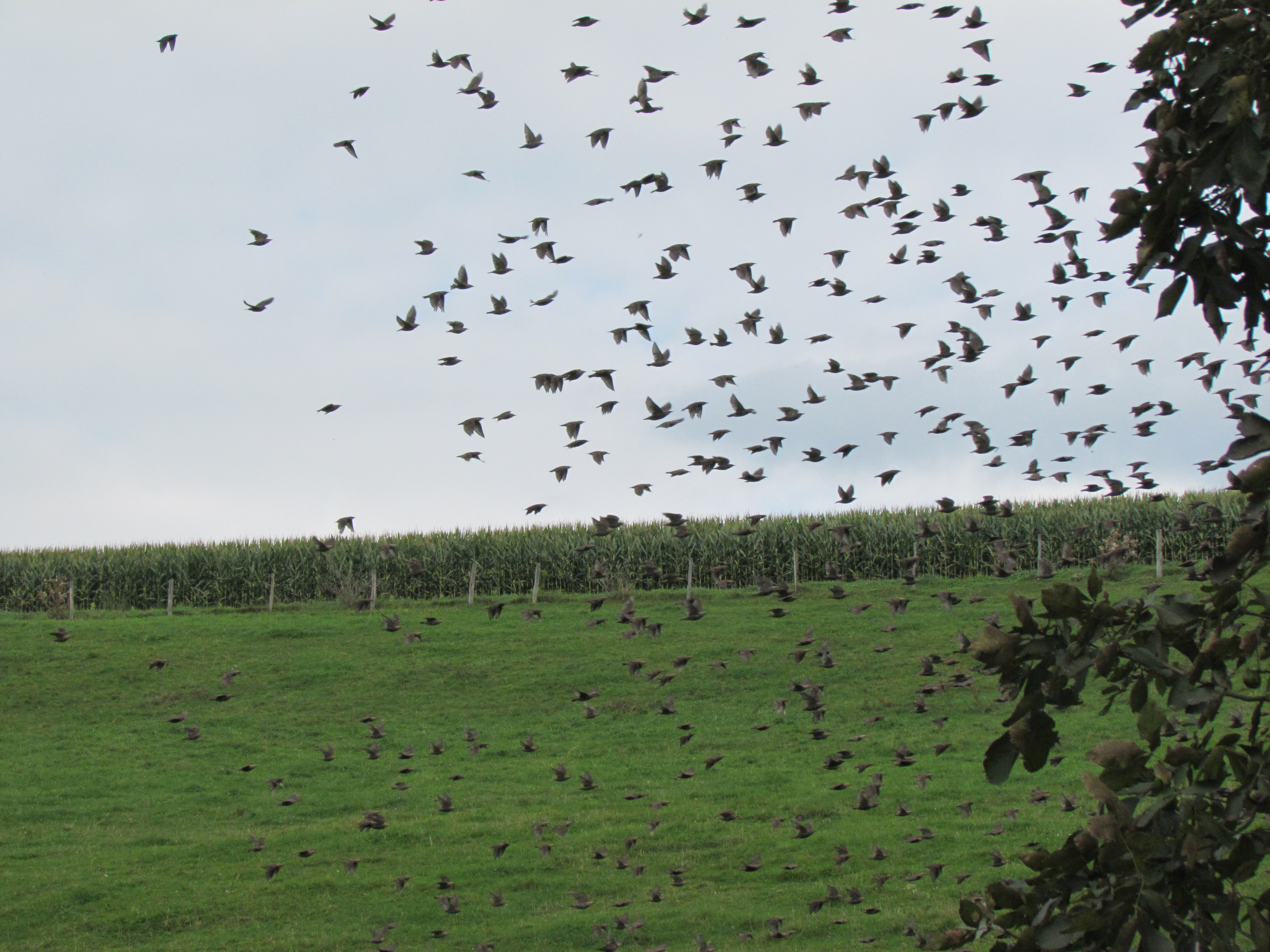
What I love here is the way that each bird expresses a specific piece of the complexity of flying.  Not one is the same.  It reminds me of the wonderful Eadweard Muybridge “freeze frame” photographs of human and animal locomotion – each image capturing a specific phrase of motion. The  birds flying is a whole cloth of flight, even though that whole is fractured into a hundred parts.

What I was aware of when I took this picture was not any of that, but the sudden whirrrrrr of their ascent, and the heart-lifting feeling as they flew off.  Looking at the picture made me want to investigate the parts of my own movement.  Our friend, the artist  Peggy Kauffman describes seeing fawns walking as a kind of stop action movement that dissolves into fluid motion as they leap and run.

How do you experience your movement?